If you asked me why I enjoy photography and I had to answer in a single sentence, I would probably mention its ability to pull you out of your routine and lead you to new places and new experiences. In fact, that was the main reason I embarked on this journey. I used to be an extremely home-loving person, perfectly happy spending months at home enjoying my books and hobbies. Photography became the perfect excuse to step outside my comfort zone and start exploring places both near and far that I would otherwise never have discovered. Even today, I am still amazed by the extraordinary places I have found so close to home, places I would never have thought to explore had photography not awakened my curiosity.
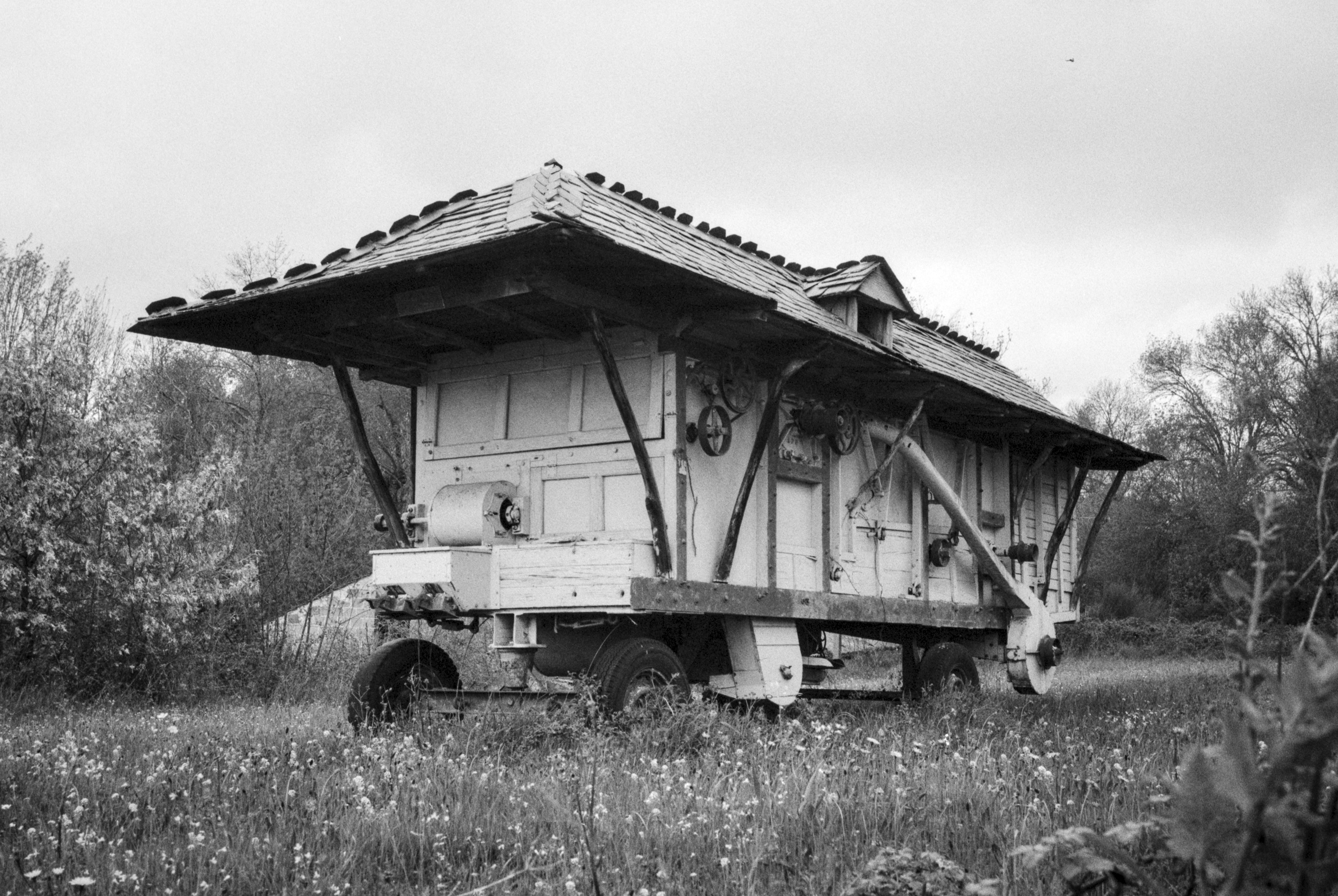
Photography has also taken me on trips a little farther from home, such as the journey through northern Portugal where I captured this photograph. After spending several days travelling along much of the Silver Route, I decided, on my way back, to make a small detour from Zamora into Portugal. It meant avoiding the same road home while giving myself the chance to discover new landscapes and new subjects to photograph.
That detour led me to Trás-os-Montes, a region in northern Portugal with a deeply rural character and landscapes of remarkable ethnographic value, shaped by an agricultural tradition and a simple way of life closely connected to nature. As you travel through its fields and mountains, it is common to come across traditional houses, small villages, barns, granaries, dovecotes, and countless other traces of a way of life that now belongs almost entirely to the past.
Among all those traces, one completely puzzled me and immediately caught my attention. It is the structure you can see in the photograph, and I did not understand its purpose until I was able to research it after returning home. It is an old threshing machine, probably dating from the first half of the twentieth century. Threshing, the process of separating grain from straw, was completely transformed by the introduction of machines like this. However, they were expensive, so it was common for several neighbouring farmers, or even entire villages, to share one. That is why they were built to be mobile, allowing them to travel wherever they were needed. This particular example stands out for the quality of its construction, its protective slate roof, and its excellent state of preservation. It is a remarkable piece of agricultural heritage, abandoned in the middle of a field far from civilisation, and one that today would undoubtedly deserve a place in a museum because of its historical significance.
Photography is not only a way of discovering new places and enjoying different experiences, it is also a wonderful way to learn about history through the images we encounter and the curiosity they inspire. Every time I go out with my camera, I learn something new and develop a deeper connection with my surroundings and the traditions that shaped them. It is an experience I could never have had in quite the same way if I had simply stayed at home with my books. It is a deeply rewarding pursuit, and one I could never recommend highly enough.
